Building life-saving CAR T therapy in Aotearoa, for Aotearoa: The BioOra Story
By Techweek Team
18 May 2026
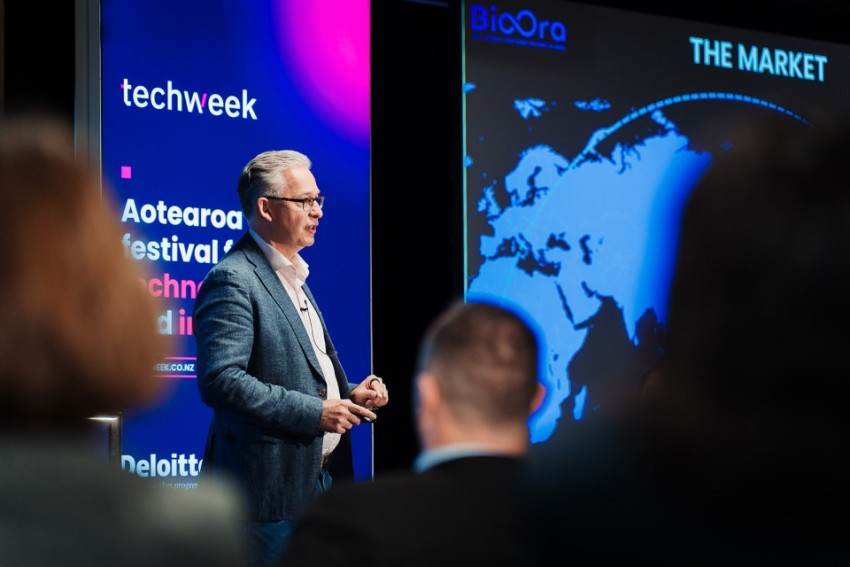
At The Art of the Possible in Aotearoa: Techweek26 Launch, BioOra Managing Director John “JR” Robson shared a story that starts with a child, a breakthrough, and a simple question: what would it take for New Zealanders to access the world’s most advanced cancer treatments, without having to leave home?
JR began with the story of Emily, diagnosed with acute lymphoblastic leukaemia when she was four. After years of chemotherapy, she entered remission, only for the cancer to return aggressively. Her family was told to take her home. There were no options left.
Around the same time, a new science was emerging: CAR T cell therapy. It was experimental, it was risky, and it might not work. Emily’s parents agreed to try it anyway. She became critically ill with what we now understand as cytokine release syndrome (CRS), but 23 days after a single infusion, she was cancer free. A decade later, she still was.
That moment changed the global direction of cancer care. It also helped shape the mission BioOra is now pursuing from New Zealand.
From breakthrough science to real-world access
CAR T therapies are now approved overseas for blood cancers, with seven treatments approved globally. JR made a point that landed hard in the room: none of these are available in New Zealand.
BioOra’s work is about changing that, by developing advanced cell therapy that can be delivered closer to home. The goal is to reduce delays, improve access, and build a safer and more scalable pathway for treatment delivery in Aotearoa.
In 2021, BioOra partnered with the Malaghan Institute, which had developed a third-generation CAR design intended to reduce the severe side effects seen in earlier generations. JR explained that earlier CAR T therapies could be powerful, but often came with risks like high-grade CRS and neurotoxicity. What made this third-generation approach stand out was the potential for strong efficacy with far fewer severe side effects.
BioOra’s therapy is called Atlas Cell, and JR shared that the company expects interim approval in 2027, with access for New Zealanders following that timeline.
The hard part isn’t the vision, it’s the scale
JR was clear that the “art of the possible” in this story is not only the science. It’s the ability to manufacture these therapies reliably, at volume, in a way that can be regulated and delivered safely.
CAR T manufacturing is complex: it’s living cells, not a pill. JR described the process as taking around 11 days to manufacture a single dose, plus time for testing and release. Quality systems, facilities, and regulation all need to work in sync.
One of the biggest challenges is infrastructure. New Zealand does not currently have the GMP-grade cell and gene therapy manufacturing facilities required at scale. BioOra is building one in Christchurch.
JR shared that BioOra has already manufactured 63 doses for 63 New Zealand patients, and has built a team of around 60 people, with significant capability across manufacturing, quality release, and regulatory work. BioOra has also submitted key dossiers to Medsafe for priority assessment, aiming to align regulatory approval with the readiness of their Christchurch facility.
When that facility comes online, BioOra expects to start at 150 doses per year, with a pathway to 400 doses per year.
Taking a New Zealand innovation to the world
BioOra’s story is about local access, but it’s also about global ambition. JR described a partnership with Cincinnati Children’s Hospital, one of the world’s leading paediatric hospitals and a major centre for CAR T treatment delivery. After presenting BioOra’s clinical data, BioOra gained significant support, including leadership involvement at board level.
The implication is big: New Zealand-developed technology could help improve the standard of care internationally, particularly for children where side effects can be severe.
JR closed with a message that reflects Techweek’s focus on turning innovation into impact. New Zealand doesn’t have to wait for solutions to arrive from elsewhere. We can build them here, for our people, and take them to the world.
Subscribe to the Techweek newsletter for updates straight to your inbox:
Recent news
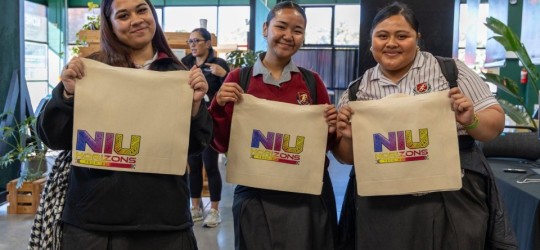
The Niu Wave: Tech Futures — rangatahi, resilience, and rewriting the rules of who tech is for
26 Jun 2026
At Techweek26, The Niu Wave: Tech Futures produced by The Southern Initiative and Te Ngahere created a powerful space for rangatahi and whānau to hear directly from Māori and Pasifika…
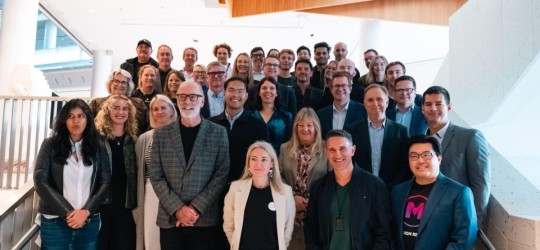
Mayoral Celebratory Event: honouring Auckland’s Hi‑Tech Awards finalists
26 Jun 2026
As Techweek26 built toward its final nights of celebration, Auckland Council brought the sector together for something new: a Mayorals celebration to recognise the 29 Auckland-based finalists heading into the…
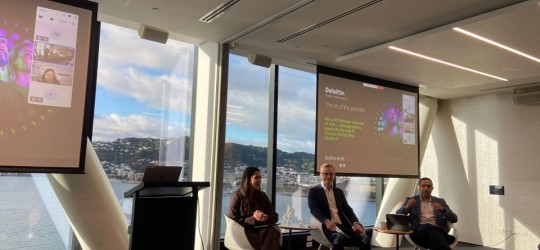
We can't hire our way out of this: Demographics, productivity and the AI choices facing New Zealand (event recap)
26 Jun 2026
At Techweek26, principal sponsor Deloitte hosted a conversation with an intentionally blunt title: We can’t hire our way out of this. The focus landed quickly.