Making information accessible, 24/7, through sign language: The Kara Technologies Story
18 May 2026
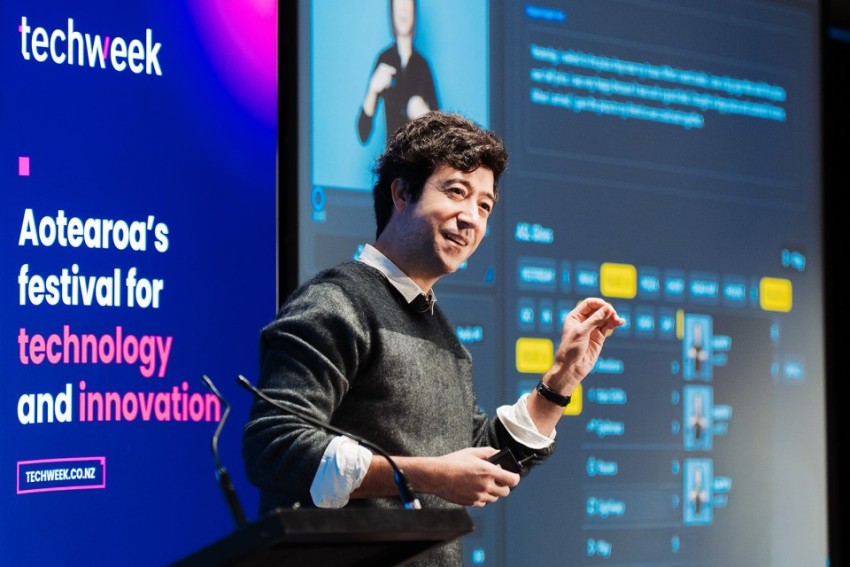
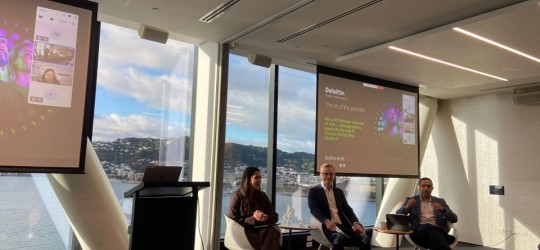
At The Art of the Possible in Aotearoa: Techweek26 Launch, Arash Tayebi, founder of Kara Technologies, shared a story about accessibility, language, and why inclusion should be built into the way information moves.
Kara Technologies creates hyper-realistic digital sign language avatars to make information and services accessible to Deaf and hard of hearing communities.
A personal trigger, and a bigger question
In 2016, while doing his PhD at the University of Auckland, Arash lost hearing in one ear. He shared that there was also a risk of losing hearing in the other. That experience sparked a question that stayed with him: why were there no Deaf students in New Zealand’s leading engineering school?
Arash went to the Kelston Deaf Education Centre to learn more. What he discovered wasn’t about ability. It was about access to information in the right language, at the right time.
He learned:
-
There are not enough teachers fluent in sign language
-
Closed captions don’t solve the problem for everyone, because written English is often a second language for Deaf people
-
Each country has its own sign language, so solutions need cultural and linguistic specificity
From there, he realised this is not a New Zealand-only issue. It is global.
Building translation that respects the language
Kara’s work is not simply converting English words into signs. Sign language has its own grammar, and it relies heavily on facial expression and nuanced motion.
Arash explained the technical leap: machine translation typically moves from text to text. Kara’s translation moves from text into motion.
Kara has built one of the world’s largest sign language databases, and developed technology to select the right sign for the context, assemble it smoothly, and render it as a human-like avatar.
Kara launched an AI translation product that can translate English into sign language in real time through their website.
AI plus humans, not AI replacing humans
Arash was clear that human sign language translators and interpreters remain essential. Kara’s approach combines AI efficiency with human expertise through a hybrid system. It enables human experts to edit and refine translations, improving accuracy and ensuring cultural and contextual correctness.
In practice, this changes the workflow. Instead of slow, fragmented processes to translate large volumes of material, experts can collaborate, review, and improve output efficiently.
Arash shared an example: delivering 200 hours of education materials in under six months, a scale that would be almost impossible without AI support paired with human review.
Momentum in New Zealand and globally
Arash also shared traction including:
-
A contract with the Singapore Government to make national TV news accessible in sign language
-
Work with Auckland Transport to improve accessibility for Deaf passengers, including service announcements
He also highlighted partnerships in entertainment to make more content accessible in sign language.
Protecting sign language as a taonga
Arash ended with a message that landed beyond product and technology. Languages carry identity, history, and culture. For Kara, the work is not only about accessibility. It is also about preservation.
He described New Zealand Sign Language as a taonga, and spoke about capturing Deaf narrators and their knowledge so it can be retained and shared over time.
Kara Technologies is a clear example of what’s possible when technology is built with inclusion at the centre. It’s a story about innovation that expands access and supports a future where more people can participate fully.
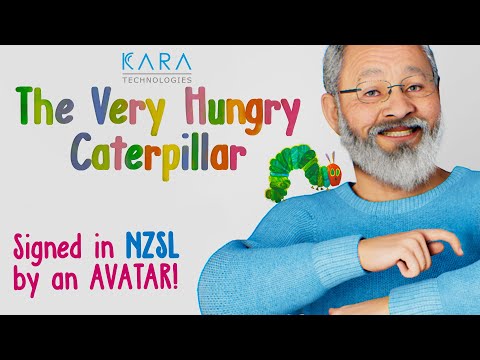
Check out a Kara Technologies digital avatar presenting The Very Hungry Caterpillar by Eric Carle below
Subscribe to the Techweek newsletter for updates straight to your inbox:
Recent news
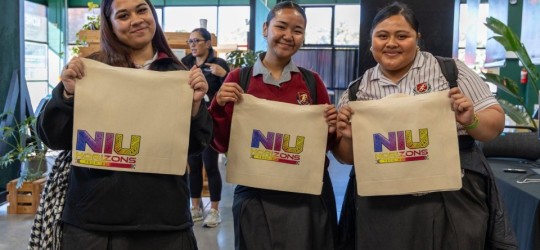
The Niu Wave: Tech Futures — rangatahi, resilience, and rewriting the rules of who tech is for
26 Jun 2026
At Techweek26, The Niu Wave: Tech Futures produced by The Southern Initiative and Te Ngahere created a powerful space for rangatahi and whānau to hear directly from Māori and Pasifika…
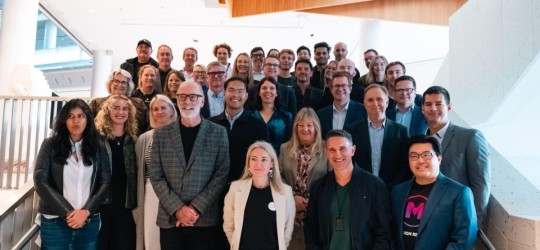
Mayoral Celebratory Event: honouring Auckland’s Hi‑Tech Awards finalists
26 Jun 2026
As Techweek26 built toward its final nights of celebration, Auckland Council brought the sector together for something new: a Mayorals celebration to recognise the 29 Auckland-based finalists heading into the…
We can't hire our way out of this: Demographics, productivity and the AI choices facing New Zealand (event recap)
26 Jun 2026
At Techweek26, principal sponsor Deloitte hosted a conversation with an intentionally blunt title: We can’t hire our way out of this. The focus landed quickly.