Māori-Led Connectivity: Building Aotearoa’s Digital Future
22 May 2026
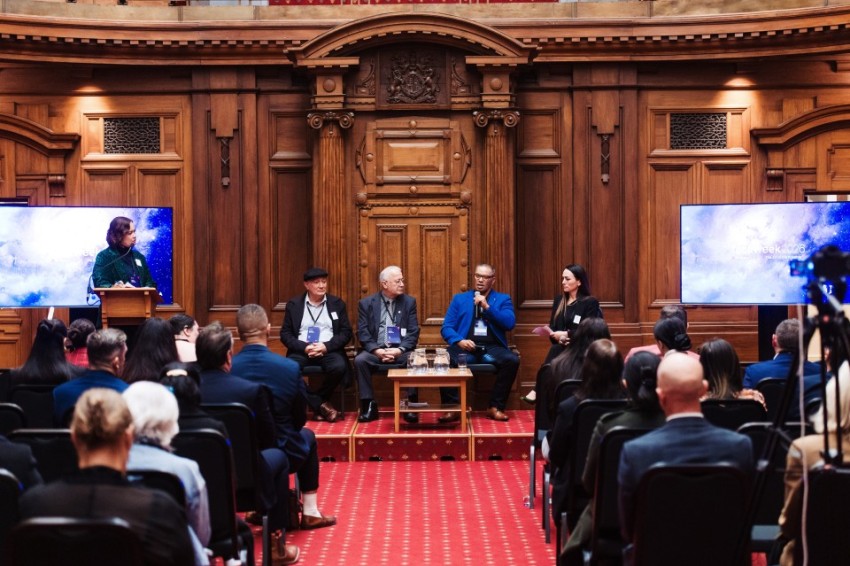
At Te Ao Tūroa: Digital Futures, Māori Foundations, hosted by Tech New Zealand and Tū Ātea at Parliament, the conversation sat firmly inside Techweek26’s theme, The Art of the Possible, not as a slogan, but as a continuation of a whakapapa of innovation that has always existed here in Aotearoa.
Moderated by Hermione McCallum (Chief Policy Officer, Tū Ātea), the panel brought together leaders across policy, governance, infrastructure and wholesale communications:
-
Antony Royal (Group CEO, Tū Ātea)
-
Robin Hapi (Tū Ātea Board Chair)
-
Tia Cashmore (GM Wholesale, Feenix Communications)
-
Graham Paniora (TransWorks Ltd)
Together, they shared a story that is rare globally and significant here. A Māori-led, vertically integrated telecommunications group with Indigenous spectrum, Indigenous governance, and end-to-end capability across policy, network infrastructure, engineering delivery and wholesale connectivity. Built with a long view, and accountable to iwi, to whānau, and to mokopuna.
A whakapapa that stretches back decades
Antony Royal took the room back through the long arc that led to this moment. The origin story begins in 1999, when Māori challenged the assumption that the Crown could create private property rights around radio spectrum without acknowledging Māori rights and interests.
That kaupapa, and the years of advocacy that followed, shaped real outcomes. Antony drew a direct line from that work to the creation of 2degrees, and the wider benefits that competition brought to Aotearoa.
He then mapped the next phases: the 700MHz era, the growth of a shared vision for a Māori telecommunications entity, and finally the 5G spectrum process that resulted in the 2022 agreement signed in that same room at Parliament. This has been a long journey, carried by many people over many years, including leaders who are no longer with us.
Governance that holds both commercial discipline and intergenerational responsibility
Robin Hapi spoke to what it means to govern an entity like Tū Ātea, where the job is not only performance, but endurance.
He described governance as a system that helps an entity “stay in business” while advancing its purpose and staying relevant. For Tū Ātea, that purpose is anchored in Māori values, identity and a commitment to intergenerational wellbeing.
Robin highlighted that the board’s discipline comes from clarity of purpose and shared values. Those values are not window dressing. They shape how the organisation makes decisions, how it holds itself accountable, and how it plans in horizons that extend beyond electoral cycles.
A line that landed strongly was the contrast between a 100-year plan and a three-year political cycle. The question the panel returned to was what it costs, as a country, when infrastructure decisions are made without that longer view.
Telecommunications infrastructure as a critical service
Graham Paniora brought the conversation down to the physical reality of connectivity. For those who think telecommunications is “just a signal on your phone,” he described the network as the digital equivalent of roads and bridges.
Fibre is the highway. Cell towers are intersections. Data is the traffic moving across the system. That system carries voice calls and messages, but it also carries banking transactions, emergency alerts, GPS signals, and the services that keep communities functioning.
When the panel turned to resilience, Graham shared the impact of severe weather on rural and remote communities, and how power dependencies and limited redundancy can isolate whole regions. The point was practical and human. In 2026, being disconnected for days should not be accepted as normal.
Resilience investment, the panel agreed, has to start with the communities most impacted, including Māori communities who have historically been underinvested in.
Wholesale capability, sovereignty, and moving with agility
Tia Cashmore spoke to the role Feenix Communications plays in the wholesale layer of telecommunications. It’s the connective tissue between networks, cloud platforms, data centres and mission-critical services used across enterprise and government.
She also spoke to what changes when wholesale capability sits within a Māori-led group. For Tia, it’s about participation, capability and sovereignty. Not Māori as consumers of technology, but Māori helping shape and lead the future of connectivity with long-term commitment to the wellbeing of Aotearoa.
From a commercial perspective, she described the advantage of end-to-end integration as agility. When capabilities sit within one aligned ecosystem, the group can move faster, innovate better, and retain knowledge and economic value here at home.
Policy reform, Te Tiriti, and building enduring pathways
In Q&A, the panel was asked what changes to legislation would most unlock the future they are working towards.
Antony emphasised the importance of recognising Māori rights to access spectrum. The broader message was that Aotearoa needs clearer long-term direction in technology and infrastructure policy, and more cross-party alignment so strategy does not reset with every election cycle.
There was also a strong thread about digital sovereignty. The panel discussed the risk of relying on offshore infrastructure and providers, and the opportunity to build more capability locally, including stronger marae connectivity and long-term resilience.
Throughout, the panel returned to partnership. Not transactional partnership, but the kind built on trust, mutual benefit and shared ambition.
The closing invitation was simple: to see what becomes possible when Māori are worked with — not around, not despite. To imagine the next 50, 100, and 500 years of digital Aotearoa with Māori as architects.
Tū Ātea are a strategic partner of Techweek26
Subscribe to the Techweek newsletter for updates straight to your inbox:
Recent news
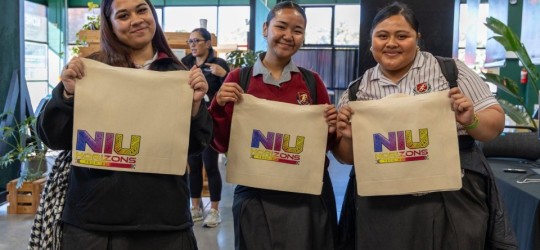
The Niu Wave: Tech Futures — rangatahi, resilience, and rewriting the rules of who tech is for
26 Jun 2026
At Techweek26, The Niu Wave: Tech Futures produced by The Southern Initiative and Te Ngahere created a powerful space for rangatahi and whānau to hear directly from Māori and Pasifika…
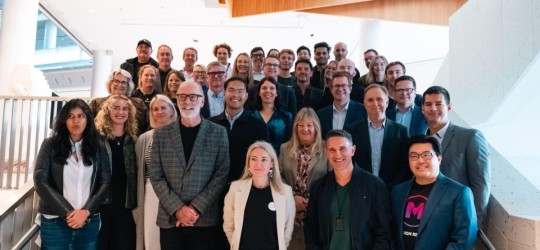
Mayoral Celebratory Event: honouring Auckland’s Hi‑Tech Awards finalists
26 Jun 2026
As Techweek26 built toward its final nights of celebration, Auckland Council brought the sector together for something new: a Mayorals celebration to recognise the 29 Auckland-based finalists heading into the…
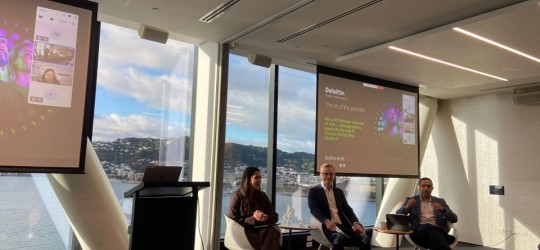
We can't hire our way out of this: Demographics, productivity and the AI choices facing New Zealand (event recap)
26 Jun 2026
At Techweek26, principal sponsor Deloitte hosted a conversation with an intentionally blunt title: We can’t hire our way out of this. The focus landed quickly.